Center for Disability Empowerment Launches Nationwide Search for New Executive Director – Deadline June 13

The Center for Disability Empowerment Launches Search for New Executive Director

COLUMBUS, OH — The Center for Disability Empowerment (CDE) announced the launch of a nationwide search for its next Executive Director. As a nonprofit organization dedicated to promoting independent living and equal opportunities for individuals with disabilities, CDE seeks a dynamic, visionary leader to guide its mission into the future. 

Founded on the principles of the Independent Living Movement, CDE has served as a vital resource and advocate for people with disabilities in Central Ohio and beyond. The incoming Executive Director will play a pivotal role in shaping the organization’s strategic direction, cultivating partnerships, securing funding, and amplifying the voices of the disability community. 

“The CDE Board of Directors is incredibly proud of the impactful work Sue has done with the agency and wish her a joyful and well-deserved retirement,” said Courtney Kimbrough, President of the Board of Directors. “We also look forward with great excitement to the future as we begin the search for our next Executive Director.” 

The ideal candidate will bring a strong commitment to disability justice, demonstrated leadership in nonprofit or public service sectors, and experience in organizational management, advocacy, and community engagement. Lived experience with disability is strongly encouraged and valued. 

CDE invites qualified candidates from diverse backgrounds to apply. The search is being conducted in by the Center for Disability’s Board of Directors. Interested individuals can apply by sending a cover letter and resume to CDE_HR@disabilityempowerment.net. 

As CDE embarks on this next chapter, the organization remains steadfast in its mission: to ensure that people with disabilities have the tools, resources, and support to live independently and participate fully in their communities. 

About the Center for Disability Empowerment
The Center for Disability Empowerment is a community-based, nonprofit organization operated by and for people with disabilities. CDE is dedicated to empowering individuals with disabilities to lead self-directed lives, advocate for their rights, and participate fully in society. 

Job Posting Announcement: Executive Director at the Center for Disability Empowerment (CDE) 

Location: Columbus, Ohio 

The Center for Disability Empowerment (CDE) is a nonprofit organization dedicated to enhancing the independence and quality of life for individuals with disabilities. Our mission is to advocate for disability rights, promote independence, and create positive change in the lives of individuals and their communities. CDE works to ensure that people with disabilities have access to the resources and support they need to thrive. We are looking for an Executive Director to lead our dynamic team and help us continue our vital work in the community. 

The Executive Director position offers a salary of up to $80,000 per year based on experience, with paid holidays annually and a generous amount of sick and vacation time. Lived experience with disability is a required qualification. Interviews will take place in June and July, with the position set to begin on October 1. 

Key Responsibilities:

1. Leadership and Collaboration with the Board of Directors

  • Ensure that CDE consistently operates in alignment with its mission and vision.
  • Foster a productive partnership with the Board of Directors to strengthen CDE’s capacity and impact.
  • Keep the Board fully informed about organizational performance, key issues, and external opportunities.
  • Collaborate with the Board to annually review and adjust the strategic plan.
  • Attend all board meetings unless otherwise directed.

2. Operational Management and Team Leadership

  • Cultivate strong, collaborative relationships with vendors, community partners, funders and individual donors.
  • Oversee negotiations with contractors and external partners.
  • Manage and empower CDE’s staff, creating an inclusive and respectful workplace that reflects diverse cultural values.
  • Monitor the quality of all programs and services to ensure they align with CDE’s mission and are achieving high levels of client satisfaction.
  • Ensure compliance with all federal, state, and local regulations regarding operations and records.

3. Financial Stewardship and Fundraising

  • Lead the development of the annual budget in collaboration with Board committees.
  • Build and maintain strong relationships with public and private funders.
  • Identify and lead the development of new funding proposals and opportunities.
  • Ensure that the required funding reporting practices and deadlines are being followed.
  • Ensure that financial controls are in place, and CDE complies with nonprofit accounting and reporting standards.
  • Oversee the branding and marketing strategies to enhance CDE’s public presence.

4. Advocacy and Public Engagement

  • Build and maintain relationships with local, state and national disability advocacy organizations.
  • Strengthen and expand CDE’s reputation as a leader in Independent Living and disability advocacy across targeted regions (Franklin, Delaware, Union and Licking, Ohio counties).
  • Lead the development and coordination of events, workshops, publications and the agency website.
  • Serve as the primary spokesperson for CDE, advocating for its mission and values.

Education and Experience

  • Required: Lived experience with disability.
  • Bachelor’s Degree (or equivalent experience) in Nonprofit Management, Business Administration, Social Services or related field.
  • Minimum of 5 years of senior leadership experience in nonprofit management, with proven success in strategic planning, operations, and staff development.
  • Entrepreneurial mindset with innovative approach to business planning and program development.

Additional Qualifications

  • Experience working with and reporting to a Board of Directors
  • Proven leadership in fundraising, including grant writing and donor relations
  • Excellent public speaking and advocacy skills
  • A deep understanding of the Independent Living philosophy and Disability Social justice principles

Interested candidates should send their resume and cover letter to CDE_HR@disabilityempowerment.net  by June 13th, 2025. 

http://www.disabilityempowerment.net/about-us/execpost

http://www.disabilityempowerment.net

Webinar: April 9 @ 2PM – People with Disabilities – Empower Your Business with ABLE Account (Achieving a Better Life Experience)


Empower Your Business with ABLE (Achieving a Better Life Experience)
Wednesday, April 9, 2025 from 2-3 PM ET
National Disability Institute (NDI) Small Business Hub and the ABLE National Resource Center webinar, Empower Your Business with ABLE, on Wednesday, April 9, 2025, from 2:00–3:00 PM ET. 
Entrepreneurs and small business owners with disabilities face unique financial challenges and ABLE accounts can be a game-changer. This session will explore how ABLE accounts support business owners in 2025 and beyond, helping you maximize financial security while maintaining essential benefits. 

Register

Topics Include:
✅ ABLE account eligibility
✅ ABLE Plan features
✅ Contributions & the ABLE to Work provision
✅ Work-Related Qualified Disability Expenses
✅ How ABLE can serve as a financial resource for employees

Register

Please note: ASL Interpretation and Captioning will be provided. To make a reasonable accommodation request, or if you have questions about this session, please email Alexis Jones at ajones@ndi-inc.org. Please allow at least 3-5 business days’ advance notice; last-minute requests will be accepted though may not be possible to fulfill.

All personal data will be kept confidential, and we will not share individual demographic data with any third party. National Disability Institute (NDI) collects data to help secure future funding to create programs that serve the community.

PHOTO: Dark teal graphic with white text reading: Empower Your Business with ABLE. Wednesday, April 9. 2:00-3:00 PM ET. Register now. The NDI, Small Business Hub and ABLE NRC logos are in the top left corner. On the right side of the graphic is a photo of a woman sitting at a desk, writing in a notebook wearing earbuds and a light brown sweater, smiling at the camera.

Apr 9, 2025 02:00 PM Eastern Time
REGISTER:
https://us02web.zoom.us/meeting/register/CaokqaOGRU2Lb_7q1ctOCw#/registration

The contents of this webinar were developed under a grant from the U.S. Department of Education (Department). The Department does not mandate or prescribe practices, models, or other activities described or discussed in this document. The contents of this webinar may contain examples of, adaptations of, and links to resources created and maintained by another public or private organization. The Department does not control or guarantee the accuracy, relevance, timeliness, or completeness of this outside information. The content of this webinar does not necessarily represent the policy of the Department. This publication is not intended to represent the views or policy of or be an endorsement of any views expressed of any views expressed or materials provided by any Federal agency.

Additional Background Information:
An ABLE (Achieving a Better Life Experience) account is a savings and / or investment option for people with disabilities who qualify. It falls under Section 529A of the Internal Revenue Service tax code. The ABLE Act allows a person whose disability began before age 26*, to save money in the ABLE account without affecting most federally funded benefits based on need. The money in the account may be used to pay for qualified disability expenses (QDEs). Any growth in the account from investments is not taxed and does not count as income if the funds are used for QDEs.
View a 20-minute ABLE Basics video on ABLE NRC’s YouTube channel.
*The disability onset age is expanding to age 46 effective January 1, 2026.

NOON TODAY: National Trends in Disability Employment (or nTIDE) Lunch & Learn series 12/06/24

REGISTER: https://unh.zoom.us/webinar/register/WN_Lz_sZg77TGuMCNXhofsSxQ#/registration

Free | Online | Contact

National Trends in Disability Employment (or nTIDE) Lunch & Learn series — first Friday of every month, corresponding with the Bureau of Labor Statistics jobs report — live broadcast via Zoom Webinar to share the results of the latest nTIDE — Plus news and updates from the field of Disability Employment, as well as host an invited panelist who will discuss current disability related findings and events.

  • 12:00 pm: Introduction & Welcome
    Andrew Houtenville, University of New Hampshire
  • 12:10 pm: Overview of National Trends in Disability Employment (nTIDE) Jobs Report
    • Release John O’Neill, Kessler Foundation
    • The Numbers Andrew Houtenville, University of New Hampshire
  • 12:15 pm: Announcements from the field of Disability Employment
    Denise Rozell, Director of Policy Innovation, AUCD
  • 12:30 pm: Guest Presenters
  • 12:45 pm: Open Question & Answer period for attendees

Note. All webinars will be recorded and closed captioned and will be added to our website archives along with full transcripts following the live broadcast.

REGISTER: https://unh.zoom.us/webinar/register/WN_Lz_sZg77TGuMCNXhofsSxQ#/registration

Presenters

Andrew Houtenville is a man with very short gray hair and beard in a brown suit

Andrew Houtenville, PhD, is a Professor of Economics and Research Director of the Institute on Disability at the University of New Hampshire. Dr. Houtenville is extensively involved in disability statistics and employment policy research. He has published widely in the areas of disability statistics and the economic status of people with disabilities. He is the Principal Investigator on the NIDILRR-funded Employment Policy and Measurement Rehabilitation and Research Training Center. Dr. Houtenville received his Ph.D. in Economics from the University of New Hampshire in 1999 & was a National Institute on Aging Post-Doctoral Fellow at Syracuse University in 1998/1999.

John O'Neill is a man with short gray hair and round glasses, wearing a suit and tie.

John O’Neill, PhD is the director of employment and disability research at Kessler Foundation and has over 28 years of experience in vocational rehabilitation as a rehabilitation counselor educator, disability employment researcher, and advisor to state vocational rehabilitation agencies. Dr. O’Neill has been a PI or co-PI on six NIDILRR funded, five-year research and training centers focusing on TBI and community integration, disability statistics, disability employment service system, and how individual and contextual factors relate to employment outcomes among people with disabilities.

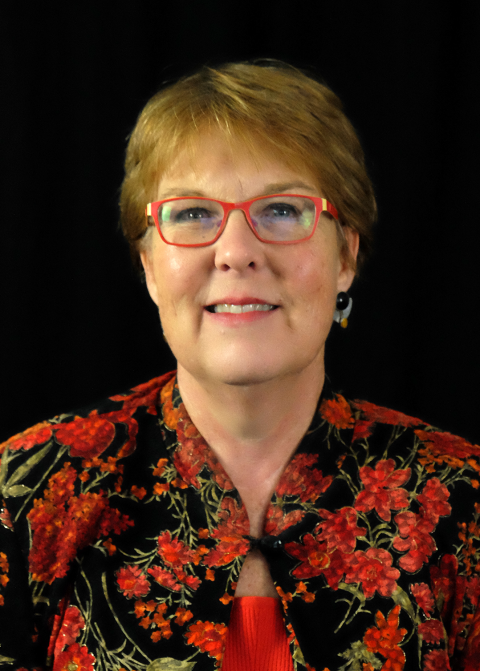
Denise Rozell is a woman with short reddish blond hair and red glasses

Denise M. Rozell, JD is the Director of Policy Innovation at the AUCD. Prior to joining AUCD, she spent fifteen years as Assistant Vice President for State Government Relations with Easter Seals. Denise was the primary resource to Easter Seals 75 affiliates in building capacity to increase awareness of and support for Easter Seals in state government. Prior to that, Denise was the Executive Director of the Association for Education and Rehabilitation of the Blind and Visually Impaired, an international membership organization for the professionals serving individuals who are blind or visually impaired. Denise holds a bachelor’s degree in political science from Occidental College in Los Angeles and a juris doctorate from Boalt Hall School of Law at the University of California in Berkeley.

OHIO Accessible Early Voting Through November 3rd & Accessible Voting on Election Day November 5th

EARLY IN-PERSON VOTING HOURS REMAINING FOR OCTOBER & NOVEMBER October 30 – November 1: 7:30 a.m. – 7:30 p.m.

November 2: 8:00 a.m. – 4:00 p.m.

November 3: 1:00 p.m. – 5:00 p.m.

I voted early in Franklin County in Ohio. Signage was easy to see for curbside voting and used the International accessibility symbol

From Ohio Secretary of State Website on Accessible Early In-Person and Curbside Voting: https://www.ohiosos.gov/elections/voters/voters-with-disabilities/early-voting/

Curbside Voting

Ohio voters with disabilities can vote curbside if they are physically unable to enter their early voting location. With curbside voting, two poll workers from opposite major political parties bring out a ballot, and voters have the option to sit in their vehicle to vote or vote at the door of the early voting location.

If early voting, arrangements must be made to vote curbside at the early voting location prior to arrival.

To get more information about curbside voting, contact your county board of elections.

Accessible Voting on Election Day

Tuesday, November 5: General Election: Polls are open from 6:30 a.m. – 7:30 p.m.

Accessible Voting on Election Day From Ohio Secretary of State – November 5: General Election: Polls are open from 6:30 a.m. – 7:30 p.m.

Here are accessible voting options for Ohio voters with disabilities on Election Day.

Voting In Person

In Ohio, every polling location is required to be accessible to ensure equal access for people with disabilities. Polling locations are required to have accessible voting equipment available, setup, and ready for voters to mark their ballot privately and independently.

Voters must cast their ballot at their designated polling location between the hours of 6:30 a.m. and 7:30 p.m. on Election Day.

Ohio voters can find their polling location by using our Find My Polling Location feature.

Curbside Voting

Ohio voters with disabilities can vote curbside, if they are physically unable to enter their polling location. With curbside voting, two poll workers from opposite major political parties bring out a ballot, and voters have the option to sit in their vehicle to vote or vote at the door of the polling location.

On Election Day, a voter with a disability may send another person into the polling location to inform poll workers of the voter’s desire to vote curbside.

To get more information about curbside voting at your polling location, contact your county board of elections.

Assistance Marking a Ballot

If a voter cannot mark their ballot, or needs assistance because of a disability, the voter may bring someone to help, or ask for assistance from two poll workers from opposite major political parties.

The voter may ask anyone to help, except for the following people:

  • a candidate whose name appears on the ballot
  • an employer or employer’s agent
  • an officer or agent of a union

No one who assists can tell a voter how to vote or disclose any information about how that person voted.

Accessible Voting Equipment

Accessible voting equipment is available at polling locations for voters who need assistance marking their ballot. Contact your board of elections for more information about these voting machine features:

  • Audio ballots
  • Braille and tactile lettering
  • Zoom screen/large print text
  • Screen/text color contrast
  • Screen height or tilt adjustments
  • Sip/puff navigation
  • Touch screen or push button navigation


Back to Voters with Disabilities Homepage

10/11/24 12-1 PM ET Webinar – 2024 Kessler Foundation Nat’l Employment & Disability Survey: Hospitality Industry

2024 Kessler Foundation National Employment and Disability Survey: Hospitality Industry

Date & Time: Oct 11, 2024 12:00 PM ET

Webinar Registration: https://unh.zoom.us/webinar/register/WN_S0Fla7tiS0OiWwhX6EZ2Tg#/registration

Join us for a “Deeper Dive” into disability statistics! Using data from a population survey released mid-month, our team of experts will explore important trends and topics with guest speakers each month.

  • 12:00 pm: Opening Remarks and Introductions
  • 12:10 pm: Survey Presentation, Introduction and Methodology, Results and Implications, Additional Commentary
  • 12:45 pm: Open discussion and questions for all

For more information on each month you can visit https://www.researchondisability.org/ntide-episodes-list

Note. All webinars will be recorded and closed captioned and will be added to our website archives along with full transcripts following the live broadcast.

Webinar Registration: https://unh.zoom.us/webinar/register/WN_S0Fla7tiS0OiWwhX6EZ2Tg#/registration

Center for Research on Disability – National Trends on Disability Employment – Deeper Dive into Disability Statistics – 09/20/24 12-1pm ET

REGISTER: https://unh.zoom.us/webinar/register/WN_hFnDfKXDTnGWyPZ1BsRVCg#/registration

Center for Research on Disability

nTIDE Deeper Dive – 9/20/2024

September 20, 2024 | 12:00 – 1:00pm

Online Only

Free | Online | Contact

Join a “Deeper Dive” into disability statistics! Using data from a population survey released mid-month, our team of experts will explore important trends and topics with guest speakers each month.

  • 12:00 pm: Welcome and Purpose of this Deeper Dive
  • 12:05 pm: Updated numbers pertaining to today’s area of focus
  • 12:20 pm: Guest Presenter
  • 12:35 pm: Open discussion and questions for all

Note. All webinars will be recorded and closed captioned and will be added to our website archives along with full transcripts following the live broadcast.

Presenters

Andrew Houtenville is a man with very short gray hair and beard in a brown suit

Andrew Houtenville, PhD, is a Professor of Economics and Research Director of the Institute on Disability at the University of New Hampshire. Dr. Houtenville is extensively involved in disability statistics and employment policy research. He has published widely in the areas of disability statistics and the economic status of people with disabilities. He is the Principal Investigator on the NIDILRR-funded Employment Policy and Measurement Rehabilitation and Research Training Center. Dr. Houtenville received his Ph.D. in Economics from the University of New Hampshire in 1999 & was a National Institute on Aging Post-Doctoral Fellow at Syracuse University in 1998/1999.

John O'Neill is a man with short gray hair and round glasses, wearing a suit and tie.

John O’Neill, PhD is the director of employment and disability research at Kessler Foundation and has over 28 years of experience in vocational rehabilitation as a rehabilitation counselor educator, disability employment researcher, and advisor to state vocational rehabilitation agencies. Dr. O’Neill has been a PI or co-PI on six NIDILRR funded, five-year research and training centers focusing on TBI and community integration, disability statistics, disability employment service system, and how individual and contextual factors relate to employment outcomes among people with disabilities.

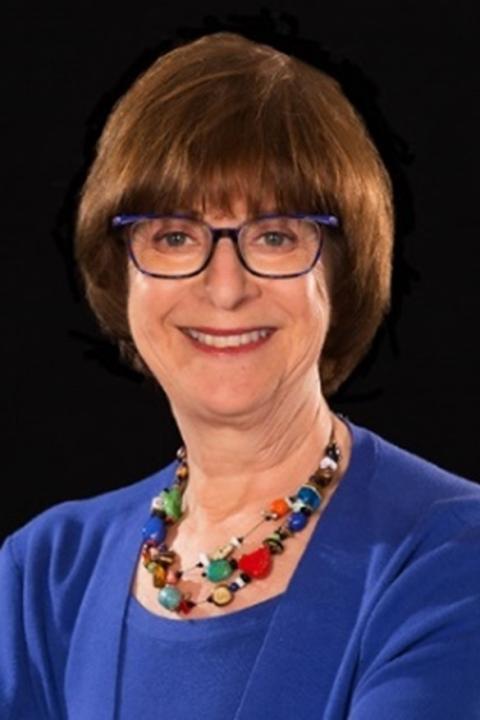
Elaine Katz is a woman with short auburn hair wearing glasses, a colorful necklace and bright blue sweater

Elaine E. Katz, MS, CCC-SLP is Senior Vice President of Grants and Communications at Kessler Foundation. Elaine Katz oversees the Foundation’s comprehensive grantmaking program and its communications department. During her tenure, the Foundation has awarded more than $49 million in grant support for national and community-based employment programs. For more than 25 years, Elaine has worked with non-profit organizations in the areas of board development, fundraising, marketing, and business development. Elaine often speaks about innovative practices for employing people with disabilities, authors/co-authors articles and papers on related topics, and is a member of several aligned organizations.

Denise Rozell is a woman with short reddish blond hair and red glasses

Denise M. Rozell, JD is the Director of Policy Innovation at the AUCD. Prior to joining AUCD, she spent fifteen years as Assistant Vice President for State Government Relations with Easter Seals. Denise was the primary resource to Easter Seals 75 affiliates in building capacity to increase awareness of and support for Easter Seals in state government. Prior to that, Denise was the Executive Director of the Association for Education and Rehabilitation of the Blind and Visually Impaired, an international membership organization for the professionals serving individuals who are blind or visually impaired. Denise holds a bachelor’s degree in political science from Occidental College in Los Angeles and a juris doctorate from Boalt Hall School of Law at the University of California in Berkeley.

Categories

Institute on Disability

University of New Hampshire logo

Copyright © 2024, University of New Hampshire. All rights reserved.
TTY Users: 7-1-1 or 800-735-2964 (Relay NH)

10 West Edge Drive, Suite 101
Durham, NH 03824
  disability.statistics@unh.edu


ADA Generation Drives Employment Gains – REGISTER Aug 2nd Noon-1 ET Lunch & Learn Webinar nTide July 2024 Deeper Dive

nTIDE July 2024 Deeper Dive: ‘ADA Generation’ Drives Employment Gains for People with Disabilities

Register now for our next free Lunch & Learn on August 2 2024, at 12:00 pm – 1:00 pm Eastern, or visit the nTIDE archives at: ResearchonDisability.org/nTIDE

Individuals with disabilities born after 1990 show higher employment rates than their older counterparts

July 23, 2024 – A comparative analysis of employment experiences before and after the enactment of the Americans with Disabilities Act (ADA) reveals that the “ADA generation” working-age population with disabilities (individuals born after 1990) boasts a higher employment-to-population ratio compared to the non-ADA generation with disabilities. That’s according to last Friday’s National Trends in Disability Employment (nTIDE) Deeper Dive Lunch & Learn Webinar presented by Kessler Foundation and the University of New Hampshire’s Institute on Disability (UNH-IOD). 

The data also showed that the ADA generation without disabilities lags behind their non-ADA counterparts in employment rates, indicating ongoing challenges for this group. Overall, the data suggests progress in closing the employment gap between individuals with and without disabilities, largely driven by the ADA generation’s significant presence in the labor market, according to presenter Hyun Ju Kim, PhD, project director III  at UNH-IOD.

Additionally, guest speaker Brittany Potvin, PhD candidate and community health worker in the Strafford County Public Health Network, New Hampshire, who is partially paralyzed as a result of a head-on collision, offered a personal overview of models of disability. She clarified the difference between ADA compliance and accessibility for people with disabilities and underscored the necessity for universal design.

ADA Generation Moves the Needle

“In 2023 to 2024, the ADA generation (people who are 34 years old and younger) had a 45% employment-to-population ratio, and for the non-ADA generation, the employment rate was far lower than that, which is 34.6%,” recounted Dr. Kim. “This has been the trend so far since the Great Recession, where the ADA generation has been driving the employment rate of people with disabilities,” she said.

Meanwhile, the overall employment rate for people without disabilities was 75.2% in 2023 to 2024. Within this group, those from the non-ADA generation had an employment rate of 79.9%, while those from the ADA generation had a lower rate of 68.4%. “This data highlights the persistent trend that the ADA generation without disabilities is less likely to be employed compared to the non-ADA generation,” asserted Dr. Kim. “Overall, it’s interesting to see the strong presence in the labor market of the ADA generation with disabilities compared to the ADA generation without disabilities,” she added.

Dr. Kim posed several hypotheses that might be driving this finding including more widely available and accepted workplace accommodations for this generation, which helps them engage in the labor market. Also, more people in this generation may be identifying themselves as disabled because the inclusion of disability in all aspects of community has helped them feel proud of their identity.  

Personal Story of Resilience

Brittany Potvin shared her journey of overcoming a life-altering accident and living with visible and invisible disabilities. “Navigating life with disabilities has been challenging, but it has also given me a unique perspective on the importance of accessibility and inclusion,” she said. “The ADA has been instrumental in my ability to advocate for myself and others.” Her story underscores the importance of accessibility, inclusion, and universal design in creating equitable opportunities for people with disabilities.

“I learned that managing my disability was relative to the situation at hand. When we leave our own environments, our disabilities can become more prominent and challenging. When I’m at home, I’m not disabled because my home environment emphasizes my abilities. But unfortunately, the outside world emphasizes my limitations,” asserted Potvin.

She highlighted the ongoing societal challenges and the importance of changing perceptions. “There’s still a lot of stigma surrounding the word disabled. When we talk about accessibility, it’s often seen as a burden,” said Potvin. Working to eliminate those stigmas has been a significant focus of her efforts.

Potvin has also discovered that ADA compliance doesn’t guarantee easy accessibility for people with disabilities. Many buildings can navigate around ADA regulations and frequently qualify for exemptions, especially older, historic structures. “An idea that is still new to a lot of people is universal design, which was defined by the Centre for Excellence in Universal Design for all people, regardless of their age, size, ability, or disability,” explained Potvin.

Universal design offers significant benefits, including long-term cost savings by addressing requirements upfront, driving innovation through multidisciplinary collaboration, and engaging the workforce. “It empowers more employees to use and access content, making it easier to attract, retain, and develop employees with and without disabilities,” said Potvin. “Creating environments that are accessible to everyone, regardless of ability, not only benefits people with disabilities but also fosters a more inclusive and innovative society,” she added.

“Individuals with disabilities didn’t just appear in society yesterday, and they didn’t appear since the ADA was written into law. The battle for inclusion and accessibility has been fought for generations. My hope is that more people become aware of universal design and its benefits and that it will become the norm and there will be less hurdles for the disability community,” Potvin concluded.

Ask Questions about Disability and Employment

Each nTIDE release is followed by an nTIDE Lunch & Learn online webinar. This live broadcast, hosted via Zoom Webinar, offers attendees Q&A on the latest nTIDE findings, provides news, updates from the field, and features invited panelists who discuss current disability-related findings and events.

Register now for our next free Lunch & Learn on August 2 2024, at 12:00 pm – 1:00 pm Eastern, or visit the nTIDE archives at: ResearchonDisability.org/nTIDE


NOTE: The statistics in the nTIDE are based on Bureau of Labor Statistics numbers but are not identical. They are customized by UNH to combine the statistics for men and women of working age (16 to 64). nTIDE is funded, in part, by grants from the National Institute on Disability, Independent Living and Rehabilitation Research (NIDILRR) (9ORT5022 and 90RT5017) and Kessler Foundation.

About Kessler Foundation
Kessler Foundation, a major nonprofit organization in the field of disability, is a global leader in rehabilitation research that seeks to improve cognition, mobility, and long-term outcomes — including employment — for people with neurological disabilities caused by diseases and injuries of the brain and spinal cord. Kessler Foundation leads the nation in funding innovative programs that expand opportunities for employment for people with disabilities. For more information, visit KesslerFoundation.org.

About the Institute on Disability at the University of New Hampshire
The Institute on Disability (IOD) at the University of New Hampshire (UNH) was established in 1987 to provide a coherent university-based focus for the improvement of knowledge, policies, and practices related to the lives of persons with disabilities and their families. For information on the NIDILRR-funded Employment Policy and Measurement Rehabilitation Research and Training Center, visit www.ResearchonDisability.org.

For more information, or to interview an expert, contact:

Institute on Disability

University of New Hampshire logo

Copyright © 2024, University of New Hampshire. All rights reserved.
TTY Users: 7-1-1 or 800-735-2964 (Relay NH)

NCD seeks public comment during June 27 Council meeting

NCD seeks public comment during June 27 Council meeting

Monday, June 24, 2024

For Immediate Release

June 24, 2024

WASHINGTON–The National Council on Disability (NCD) invites the public to present public comment during the Council’s next quarterly meeting Thursday via Zoom.

During a 30-minute public comment session starting at 4 p.m. EDT, the Council will receive input on what presenters consider the most notable disability policy achievements since Summer 2023. The Council would also like to hear about any missed opportunities within those achievements.

The public comment period provides an opportunity for NCD hear from you – individuals, businesses, providers, educators, parents and advocates.

Data from comments collected may be included in NCD’s upcoming annual Progress Report.

Public comment guidelines are available on NCD’s public comment page at https://www.ncd.gov/public-comment/.

Those wanting to participate in public comment must preregister, either through indicating they want to provide public comment during the standard registration process for the meeting or by sending an email to publiccomment@ncd.gov by 8 p.m. EDT June 26.

Because of the virtual format, the Council will receive public comment by email or by video or audio/phone over Zoom. To provide public comment during an NCD Council Meeting, NCD now requires advanced registration by either signing up to present while registering for the meeting or sending an email to PublicComment@ncd.gov with the subject line “Public Comment” and your name, organization, state, and topic of comment included in the body of your email. Deadline for registration is June 26, 8:00 p.m. EDT.

If any time remains following the conclusion of the comments of those registered, NCD may call upon those who desire to make comments on the topic but did not register.

The Council meeting is free and open to the public. Full information on the event can also be found on our upcoming meeting page.

CART and ASL will be provided.

—————————————————————————————————————————————

ADDITIONAL MEETING INFORMATION AND REGISTRATION:

WASHINGTON–The Members of the National Council on Disability (NCD) will hold a quarterly business meeting on Thursday, June 27, 2024, 1–5 p.m EDT via Zoom.

To register for the Zoom webinar, please use the following URL:

https://events.zoomgov.com/ev/AjDobcDV_mghX7L5f6sWlxUKD_MJzSAnGh7A-lTuPauDUOd2E5XX~AvJyfkIR6R1x3lgp4sOiST1A5xJPGT-vG8sAh1wmhft2TgV6_-VtysUgUQ.

Full information on the event can also be found on our event page.

(FYI: NCD: An independent federal agency committed to disability policy leadership since 1978)

Webinar June 20th – ACL Celebrates the 25th Anniversary of the U.S. Supreme Court’s Olmstead Decision

ACL Administration for Community Living

Celebrating the 25th Anniversary of Olmstead v. L.C.

Thursday, June 20, 2024 | 2:00-4:00 PM ET

Register for the event

https://www.zoomgov.com/webinar/register/WN_HyA2zv8BSwuBCXGChGmJZg#/registration

Please join us for a celebration of the 25th anniversary of the landmark Olmstead v. L.C. Supreme Court decision, which ruled that unjustified segregation of people with disabilities is a form of unlawful discrimination under the Americans with Disabilities Act (ADA). The Olmstead decision required states to ensure that people with disabilities can receive services in the most integrated setting appropriate to their needs, opening the doors to community inclusion and integration for even more people with disabilities.

Hosted by ACL, the U.S. Department of Health and Human Services Office for Civil Rights, and the U.S. Department of Justice (DOJ), the event will take place on June 20, 2024, from 2:00 PM to 4:00 PM ET. Guests will hear from people with disabilities, federal leaders, and national experts about the impact of Olmstead, barriers to community living and true inclusion that people with disabilities still face 25 years later, and what is needed to fully realize the promise of this landmark decision.

You can attend in person at the DOJ Great Hall, 950 Pennsylvania Ave. N.W., Washington, D.C., or virtually. Once the limited seating capacity has been reached, in-person registration will close and only the virtual option will be available on the registration page.

ASL and CART will be provided. If you need other accommodations to participate, please send an email to crt.reasonableaccommodations@usdoj.gov by Friday, June 17.