Oct 15, 2025 3-4PM ET Webinar: Your Rights As A Person with a Disability Under the ADA in Employment-Pacific ADA Center

October 15, 2025
Your Rights As A Person with a Disability Under the ADA in Employment: A Deeper Dive

Registration is open!

Join Pacific ADA Center staff for an in-depth look at your rights in the workplace under the ADA. This session will explore reasonable accommodations, the interactive process, disclosure, and protections during hiring and employment. Whether you’re a job seeker or currently employed, this session will help you better understand your rights and advocate for yourself at work.

Session Date: October 15, 2025
Session Time: 12 Noon-1 PM PT — 3-4 PM ET

Register for this webinar today!

Sept 2nd 12-1PM ET – Next Mid-Atlantic ADA Center Webinar Series – Fighting for Civil and Disability Rights: Strategies to Overcome Barriers

The Human Experience of Black People with Disabilities and Their Rights Under the ADA

REGISTER: https://lp.constantcontactpages.com/ev/reg/axs6uxa

Join us as we unpack this research study and provide you with a comprehensive understanding of the opportunities, as well as the challenges and barriers, faced by Black individuals with disabilities in accessing information and exercising their rights under the Americans with Disabilities Act (ADA). By presenting the findings of this study, we will highlight the discrimination and marginalization these individuals experience, while also exploring avenues for advocacy, collective action, and support.

The Intersection of Race, Disability, and the ADA: Findings from a Focus Group Study

March 4, 2025, 12:00 to 1:00 p.m. ET

This study explores the intersection of race, disability, and rights under the ADA. On this webinar we shared key themes from the research, including the systemic barriers Black individuals with disabilities face in exercising their rights. Topics included access to information about the ADA, the role of advocacy, and recommendations to improve access, awareness, and inclusion. We will highlighted the strength and resilience of Black disabled communities, as well as strategies for collective action to address injustice.

Previous Webinars recorded and is available for on-demand: https://www.adainfo.org/trainings/

Intersectionality: Unpacking Discrimination, Stigma, and Multiple Marginalization

June 3, 2025, 12:00 to 1:00 p.m. ET

Intersectionality recognizes that individuals hold multiple, interconnected social identities—such as race, disability, gender, and class—that interact in shaping their experiences of privilege and oppression. For Black individuals with disabilities, these overlapping identities often lead to compounded barriers in exercising rights and accessing opportunities under the ADA. This webinar will explore how these intersecting identities create specific vulnerabilities in areas like healthcare, education, employment, and public spaces. Through real-world examples, we will examine the impact of intersectional discrimination on Black disabled communities and discuss actionable strategies to address these challenges. By the end of the session, participants will be equipped with the tools to analyze and advocate for the rights of Black individuals with disabilities through an intersectional framework.

Previous Webinars recorded and is available for on-demand: https://www.adainfo.org/trainings/

Fighting for Civil and Disability Rights: Strategies to Overcome Barriers

September 2, 2025, 12:00 to 1:00 p.m. ET

For Black individuals with disabilities, systemic barriers can present unique challenges in securing equal opportunities and exercising fundamental rights. This webinar will delve into the legal landscape of civil and disability rights, highlighting key legislation and protections. We will explore common barriers faced by individuals with disabilities, including discrimination, inaccessible environments, and lack of inclusive policies. Participants will learn advocacy strategies to overcome these obstacles, ranging from self-advocacy and community organizing to legal recourse and policy engagement.

The Power of Visibility and Community Advocacy

December 2, 2025, 12:00 to 1:00 p.m. ET

Visibility matters. When we share our stories and perspectives, we challenge stereotypes, build empathy, and inspire others to action. This webinar will explore how embracing visibility can combat the intersectional discrimination faced by Black disabled individuals. We’ll discuss how sharing your authentic experiences can spark important conversations, foster understanding, and drive social change within your communities. Learn practical strategies for leveraging your voice and platform, building alliances, and engaging in effective community advocacy to amplify your impact.

Brief Thoughts on the Americans with Disabilities Act 35 Years: Onward and Why

Mark Seifarth

As July 2025 Disability Pride Month and the 35th Anniversary of the passage of the Americans with Disabilities Act draw to a close, I offer my brief thoughts and reflections as we go forward:

Brief Thoughts on the Americans with Disabilities Act 35 Years: Onward and Why

Mark Seifarth

On July 26, 1990, I was on the White House lawn with 3000 of my closest friends watching George H.W. Bush sign the Americans with Disabilities Act.

President H.W.Bush and his administration demonstrated bipartisanship in working with many legislators on both sides of the aisle in Congress in bringing the ADA to his desk to be signed into law.  Many legislators, elected and appointed officials, and people with disabilities & advocates were instrumental in the passage of the ADA and I pay the utmost respect to all of them, but they are far too numerous to list. It was unifying and bipartisan across the political and disability spectrum. I submit, we must work to regain that bipartisanship in federal, state and local government.

During the July 2025 35th ADA anniversary, I have been posting many opportunities to learn about and participate in events online to grow in your knowledge of the ADA on the Ohio Disability Blog, Twitter X, and Linked In. One example providing a great deal of education and information is the Film and Panel Discussion on “Change, Not Charity: The Americans with Disabilities Act.” Congressman Steny H. Hoyer (MD-05), Congresswoman Debbie Dingell (MI-06), and the American Association of People with Disabilities hosted the event in the Capitol Visitors Center in Washington, DC. The panel discussion was moderated by Judy Woodruff and featured guest speakers Former Congressmen Tony Coelho and Steve Bartlett.

Here is a YouTube link to the two-hour film and bipartisan panel discussion: https://www.youtube.com/watch?v=GqU7EjWZkKA  (If there are any difficulties with the link, please search –- discussion and screening of Change, Not Charity: The Americans with Disabilities Act –- and the search should yield a link to the film on PBS and a YouTube link to the film and panel discussion above.)

My reasons for these brief thoughts on the ADA 35th Anniversary are twofold.

First, we must learn and remember our history. As a person with a lifelong physical disability born 33 years before the ADA became law, I am now closing in on 70 years old. So, these anniversaries give us the opportunity to learn and grow from people who worked on the passage, and how that long advocacy journey resulted in the ADA. Please continue to learn. We also have entire new generations of people with disabilities and advocates who continue to push for equal access, equal treatment, and informed choices in their communities for people with disabilities. We must all mentor, educate, and support succeeding generations coming of age since 1990 as they are assuming leadership roles and championing new advocacy efforts and initiatives.

Second, in many ways the current public and policy environment should cause concern, and highlight the need to educate, inform and advocate on services and supports that help people with disabilities work, live, and grow in their own local communities. All people must have real opportunities to learn and make informed decisions about their own lives. In the current policy environment, many federal programs are being cut or combined with other programs under the guise of streamlining and efficiency when hard fought supports to work and live in your community may be diminished or not be available.

One example is cuts to Medicaid and other programs described as cuts to eliminate waste, fraud, and abuse. Now these are taxpayers’ dollars. We must be sure they are well spent and result in the legally prescribed outcomes. We must all identify misuse or abuse of tax money and correct these misuses.

But, in some ways we are not being given all the information. Yes, perhaps recent cuts in Medicaid funds and other programs are not directly in programs meant to support people with disabilities. Many of these cuts in programs will be sent to individual states to implement. With much less money available to states to administer these programs, each state must decide where to make cuts to make up for the significant reduction in federal funds. The federal government can say, they didn’t make the cuts, but they may give individual states no choice but to cut work and community programs for people with disabilities. Further, states are being forced to implement additional onerous paperwork and reapplications for services, not annually, but twice a year. This is not only costly to states but may result in loss of services due to the difficulties posed by new compliance mandates for consumers, such as additional unanticipated deadlines.

Finally, we may begin to encounter a decline in respect, understanding, and acceptance of people with disabilities – from changes in housing opportunities, to increased reluctance to any costs to fully incorporate people with disabilities in community and public life. 

I believe it is not happening often at this point. But it highlights that now more than ever we must utilize all we have learned in the advocacy for and passage of the ADA of 1990. We must continuously educate, inform, and combat misinformation, or incomplete information on cuts and changes to federal, state, and local programs that support people with disabilities living, working and contributing in their local towns and cities. We must highlight how these programs give everyone the chance to work and live together in society.

Please celebrate the ADA after 35 years of law. It is a great milestone as we continue to learn and grow.

So, let me leave you with this final thought: advocacy is constant.  We must continuously work to not return to the days when people with disabilities were not to be seen or were not your neighbor.

When I gave the Commencement Address at Kent State University some years ago, the title of my remarks was “The Finals are Never Over.” For as we celebrate our accomplishments and triumphs, the next challenge or opportunity to use what we have learned is just around the corner. Not to put too fine a point on it, but the fight for equal access for people with disabilities is never over.
July 16th 3PM ET- Lunch & Learn: The ADA 35th Anniversary – What are your rights as a person with a disability?

Register today for the next ADA Lunch and Learn: The ADA 35th Anniversary: What are your rights as a person with a disability?

Lunch & Learn: The ADA 35th Anniversary – What are your rights as a person with a disability?

July 16 2025

3pm – 4pm Eastern Time — 12pm – 1pm Pacific Time


Description

Join the Pacific ADA Center in celebrating the 35th anniversary of the Americans with Disabilities Act (ADA). This session will provide an overview of your rights under the ADA and how the law continues to protect people with disabilities in public life. Learn how the ADA impacts everyday experiences in employment, transportation, public services, and beyond.

Presenters

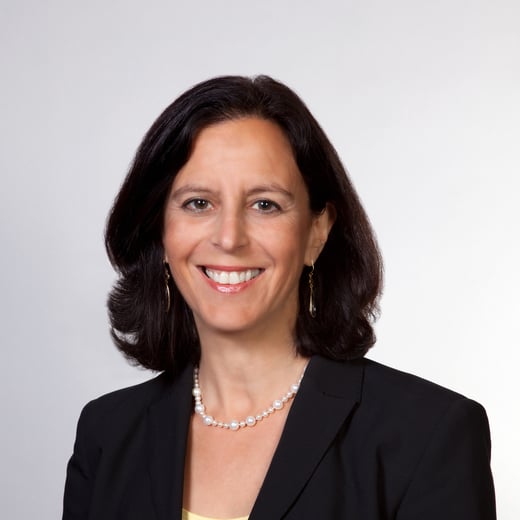
Jan Garrett serves as the Deputy Director of ADA Programs for the Pacific ADA Center at the Public Health Institute (PHI). She has over 25 years of experience providing guidance and training on the ADA and other disability rights laws for businesses, state and local governments, architects, people with disabilities, and others. As a person with a lived experience of disability, Jan has a deeply personal understanding of why disability civil rights are so important.

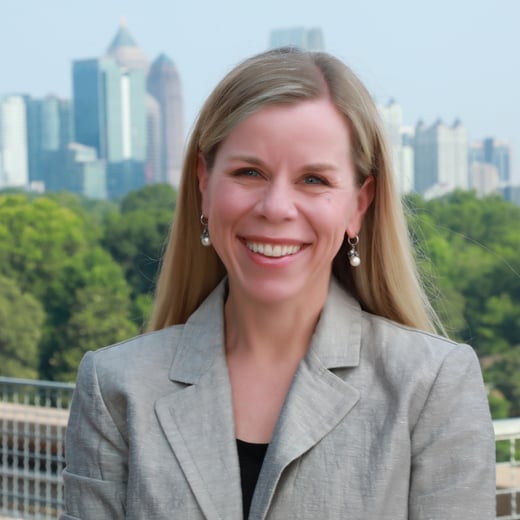
Savannah Bradley is the Community Outreach and Programs Manager for the Pacific ADA Center, a program within the Center on Disability at the Public Health Institute (PHI). Savannah holds a Bachelor of Science in Public Health from San Diego State University and a Master of Public Health in Health Promotion and Health Behavior from Oregon State University. She worked in higher education for a decade before joining PHI in 2024 and has dedicated her career to reducing health disparities and advocating for underserved populations.

Registration information

Register now for this free online webinar

All events »

Register: July 8th Webinar Celebrating the ADA: How Assistive Technology (AT) Supports Daily Life and Work

Celebrating the ADA: How Assistive Technology (AT) Supports Daily Life and Work

Tuesday, July 8th, 2025

3:00 PM EDT – 4:30 PM EDT

REGISTER: Register for Webinar on July 8: Celebrating the ADA: How AT Supports Daily Life and Work(link is external)

Web / Online


Join the Disability Employment Technical Assistance Center (DETAC) for a special webinar in honor of the 35th anniversary of the Americans with Disabilities Act (ADA), with a focus on how technology is shaping the future of accessibility.

The ADA affirms a simple but powerful principle: individuals with disabilities who want to work should be able to work. In today’s fast-paced, technology-driven world, there have been advancements made with tools to increase accessibility. At the same time, there are basic assistive technology (AT) tools that continue to be overlooked as a solution.

The webinar panel from the Assistive Technology Act Technical Assistance and Training Center (AT3 Center) will focus on increasing access to and acquisition of AT tools across the lifespan. The panel will share examples of how AT is a critical bridge to helping break down barriers and provide innovative approaches for one to be more independent within the workplace and the broader community.

Registrants can note accommodation needs, such as captioning or sign language, on the registration page. The webinar will be live captioned (with Spanish machine translations) and have ASL interpretation available.

Webinars are recorded and posted with supporting materials on the DETAC website at: aoddisabilityemploymenttacenter.com

The Disability Employment Technical Assistance Center is funded by the Administration for Community Living (ACL) to provide evidence-based training and technical assistance to Administration on Disabilities grantees for improving competitive integrated employment and economic outcomes for individuals with disabilities across the nation.

Cost of Event:  Free

Registration Requirement: Required

Register for Webinar on July 8: Celebrating the ADA: How AT Supports Daily Life and Work(link is external)

For More Information on This Event: 

Register for Webinar on July 8: Celebrating the ADA: How AT Supports Daily Life and Work(link is external)

Sponsoring Organization(s) of Event: 

Disability Employment Technical Assistance Center (DETAC)

Audience(s): 

  • Architects/Contractors
  • Business
  • Employer
  • People with Disabilities
  • State and Local Government

Topic: 

  • ADA Anniversary

Webinar June 25th 1-2:30PM ET – Top 5 Things to Know About Aging in America – Alliance For Heath Policy

WEBINAR:
Top 5 Things to Know About Aging in America 
Insights for the Health Policy Community
Wednesday, June 25 from 1:00-2:30 p.m. ET

Register for the webinar

What to expect from the webinar

If you’ve ever felt overwhelmed by the many programs and resources tied to aging, you’re not alone. 
This webinar will help you understand the four foundational policies identified by Alliance experts—Medicare, Medicaid, the Social Security Administration (SSA), and the Older Americans Act (OAA)—that have the greatest impact on aging populations.
Our panel of experts will share their go-to resources for understanding and staying up to date on the key aging policies (and why these policies matter). Speakers will also highlight innovations and emerging models from across the country that offer a glimpse into the future of aging policy. 


This free, nonpartisan webinar is open to the public and designed to give policymakers, staffers, advocates, and curious minds the tools to engage more meaningfully with the policies shaping aging in America.
This webinar was made possible thanks to 2025 Signature Series Champion Sponsors Elevance Health, GSK, and Kaiser Permanente. 

Register for the webinar

Webinar speakers:

Rob Lott - Edited
Rob Lott (Moderator)Senior Deputy Editor, Health Affairs
Tricia Neuman - Edited
Tricia NeumanSenior Vice President, Executive Director for Program on Medicare Policy, KFF
Rebecca Vallas - Edited
Rebecca VallasCEO, National Academy of Social Insurance
Abby Cox - Edited
Abby CoxSenior Director of Aging Policy, Advancing States

About the Alliance’s Signature Series: 

For the past decade, the Signature Series has been the Alliance for Health Policy’s flagship annual program that brings together cross-sector experts to examine the most challenging issues in health policy. Each year, the Series uncovers key insights and translates them into accessible, nonpartisan education for policymakers and the public.

The 2025 Signature Series on “Aging in America” brings together the best and brightest minds from across the health care and policy landscape to examine how our system measures up to the needs of an aging population, and how we can best educate policymakers to be ready to take on the challenge. Events include a thought leader workshop, webinar, public summit, and congressional briefing. 

Center for Disability Empowerment Launches Nationwide Search for New Executive Director – Deadline June 13

The Center for Disability Empowerment Launches Search for New Executive Director

COLUMBUS, OH — The Center for Disability Empowerment (CDE) announced the launch of a nationwide search for its next Executive Director. As a nonprofit organization dedicated to promoting independent living and equal opportunities for individuals with disabilities, CDE seeks a dynamic, visionary leader to guide its mission into the future. 

Founded on the principles of the Independent Living Movement, CDE has served as a vital resource and advocate for people with disabilities in Central Ohio and beyond. The incoming Executive Director will play a pivotal role in shaping the organization’s strategic direction, cultivating partnerships, securing funding, and amplifying the voices of the disability community. 

“The CDE Board of Directors is incredibly proud of the impactful work Sue has done with the agency and wish her a joyful and well-deserved retirement,” said Courtney Kimbrough, President of the Board of Directors. “We also look forward with great excitement to the future as we begin the search for our next Executive Director.” 

The ideal candidate will bring a strong commitment to disability justice, demonstrated leadership in nonprofit or public service sectors, and experience in organizational management, advocacy, and community engagement. Lived experience with disability is strongly encouraged and valued. 

CDE invites qualified candidates from diverse backgrounds to apply. The search is being conducted in by the Center for Disability’s Board of Directors. Interested individuals can apply by sending a cover letter and resume to CDE_HR@disabilityempowerment.net. 

As CDE embarks on this next chapter, the organization remains steadfast in its mission: to ensure that people with disabilities have the tools, resources, and support to live independently and participate fully in their communities. 

About the Center for Disability Empowerment
The Center for Disability Empowerment is a community-based, nonprofit organization operated by and for people with disabilities. CDE is dedicated to empowering individuals with disabilities to lead self-directed lives, advocate for their rights, and participate fully in society. 

Job Posting Announcement: Executive Director at the Center for Disability Empowerment (CDE) 

Location: Columbus, Ohio 

The Center for Disability Empowerment (CDE) is a nonprofit organization dedicated to enhancing the independence and quality of life for individuals with disabilities. Our mission is to advocate for disability rights, promote independence, and create positive change in the lives of individuals and their communities. CDE works to ensure that people with disabilities have access to the resources and support they need to thrive. We are looking for an Executive Director to lead our dynamic team and help us continue our vital work in the community. 

The Executive Director position offers a salary of up to $80,000 per year based on experience, with paid holidays annually and a generous amount of sick and vacation time. Lived experience with disability is a required qualification. Interviews will take place in June and July, with the position set to begin on October 1. 

Key Responsibilities:

1. Leadership and Collaboration with the Board of Directors

  • Ensure that CDE consistently operates in alignment with its mission and vision.
  • Foster a productive partnership with the Board of Directors to strengthen CDE’s capacity and impact.
  • Keep the Board fully informed about organizational performance, key issues, and external opportunities.
  • Collaborate with the Board to annually review and adjust the strategic plan.
  • Attend all board meetings unless otherwise directed.

2. Operational Management and Team Leadership

  • Cultivate strong, collaborative relationships with vendors, community partners, funders and individual donors.
  • Oversee negotiations with contractors and external partners.
  • Manage and empower CDE’s staff, creating an inclusive and respectful workplace that reflects diverse cultural values.
  • Monitor the quality of all programs and services to ensure they align with CDE’s mission and are achieving high levels of client satisfaction.
  • Ensure compliance with all federal, state, and local regulations regarding operations and records.

3. Financial Stewardship and Fundraising

  • Lead the development of the annual budget in collaboration with Board committees.
  • Build and maintain strong relationships with public and private funders.
  • Identify and lead the development of new funding proposals and opportunities.
  • Ensure that the required funding reporting practices and deadlines are being followed.
  • Ensure that financial controls are in place, and CDE complies with nonprofit accounting and reporting standards.
  • Oversee the branding and marketing strategies to enhance CDE’s public presence.

4. Advocacy and Public Engagement

  • Build and maintain relationships with local, state and national disability advocacy organizations.
  • Strengthen and expand CDE’s reputation as a leader in Independent Living and disability advocacy across targeted regions (Franklin, Delaware, Union and Licking, Ohio counties).
  • Lead the development and coordination of events, workshops, publications and the agency website.
  • Serve as the primary spokesperson for CDE, advocating for its mission and values.

Education and Experience

  • Required: Lived experience with disability.
  • Bachelor’s Degree (or equivalent experience) in Nonprofit Management, Business Administration, Social Services or related field.
  • Minimum of 5 years of senior leadership experience in nonprofit management, with proven success in strategic planning, operations, and staff development.
  • Entrepreneurial mindset with innovative approach to business planning and program development.

Additional Qualifications

  • Experience working with and reporting to a Board of Directors
  • Proven leadership in fundraising, including grant writing and donor relations
  • Excellent public speaking and advocacy skills
  • A deep understanding of the Independent Living philosophy and Disability Social justice principles

Interested candidates should send their resume and cover letter to CDE_HR@disabilityempowerment.net  by June 13th, 2025. 

http://www.disabilityempowerment.net/about-us/execpost

http://www.disabilityempowerment.net

Honoring ADA 34th Anniversary – Essay: “ADA & Advocacy – Like Final Exams – Really Never End” Mark E Seifarth

ADA & Advocacy – Like Final Exams – Really Never End Mark E Seifarth
In 1979, I was the first student in Kent State University history to give the main commencement address. And while that is needed background, it is not the important point in this introduction. The focal point is the subject of the commencement speech itself – “The Finals are Never Over.”
No more all-nighters, no more waking up late for an exam, or four or five exams in the same week after graduation to be sure – but the journey, the challenges, the aspirations, and yes, the sorrows are never over. In fact, according to my address, they are just beginning for graduates and most others.
Fast forward to July 26, 2024, the 34th anniversary of the Americans with Disabilities Act (ADA).
We need to celebrate our inclusion, opportunities, and equal access for people with disabilities in employment, government, public accommodation, communication, to name a few.
Furthermore, let’s celebrate June 22, 2024, the 25th anniversary of the U.S. Supreme Court Olmstead Decision concluding that the ADA prohibits unnecessary segregation of people with disabilities in institutions AND have the right to live and receive services in the most appropriate integrated setting in their communities.
For many of us feeling that we now have at least a seat at the table in running our own lives and had earned “nothing about us without us” in our own communities, perhaps, just perhaps, we would have a respite from paternalism, nothing but the medical model, professionals asked about our lives before us, and more.
But after we celebrate, the work continues, the journey continues, and unfortunately sometimes discrimination and separateness still occur.
There also continues to be very positive inclusive movements forward resulting from our education and advocacy. Governor DeWine’s initiative – included in Ohio’s last two-year budget – required appointing at least one person with a disability eligible for services to each of Ohio’s 88 County Boards of Developmental Disabilities (DD) in 2025 and after.
This has increased the discussion and support for ongoing training for all County Board of DD members as to their responsibilities and duties.
Prior to that, Ohio became an Employment First State that presumes all Ohioans, including people with significant disabilities, can and should have the opportunity (and support & training) to work in their communities.
But looking to just some of the challenges ahead in inclusion and fairness:
• The Supreme Court just decided that a homeless person can be ticketed or arrested for sleeping in a public park or public space even though there is no other adequate shelter or affordable place in the community to live or sleep.
• The Supreme Court just overturned a 40-year-old standard for decision making that required federal courts to defer to reasonable agency decisions where federal law is unclear or silent. So, courts will not have to accept expertise from the very agencies that oversee laws when regulations are challenged perhaps weakening those very laws.
• While our veterans have received some coverage for illnesses resulting from burn pits, the need is very high for support of post-traumatic stress disorder, traumatic brain injury, hearing loss, illness caused by toxic exposure and other injuries
• Accessible, affordable housing for people with disabilities is still unavailable or out or reach in many areas
We are in a time of significant change. In the past, one could argue our lack of rights and inclusion was simple paternalism or we know better than you do. But now in some areas, rights are being reexamined, diminished and taken away. In 2018, U.S. Senator Tammy Duckworth and 42 of her Senate colleagues wrote a letter to Senate leadership pledging to block the ADA Education & Reform Act that had passed the U.S. House because it would have undermined enforcement provisions that safeguard accessibility in public accommodations. Senator Duckworth’s advocacy ensured the ADA would not be significantly weakened.
Like Senator Duckworth, we must continue to advocate and educate for equal rights and opportunities, because now we see that rights earned can just as easily be taken away.
Who knew that in 1979 – The Finals Are Never Over – would be even more true today!
Now list the issues most important to you. Education and advocacy continue to be a team effort across an ever-widening need for everyone to be treated with equality and equity. Reach out to support others in their advocacy and learn from them as they learn from you.
The journey and challenges ahead – and need to work together – may be best summed up in this quote from Martin Neimoller, a prominent Lutheran pastor, who spent the last eight years of Nazi rule in Nazi prison and concentration camps – and is perhaps best remembered for his Postwar Statement:
➢ “First they came for the socialists, and I did not speak out – because I was not a socialist. Then they came for the trade unionists, and I did not speak out – because I was not a trade unionist. Then they came for the Jews, and I did not speak out – because I was not a Jew. Then they came for me – and there was no one left to speak for me.”

ADA 34 LIVE! Show your ADA and History Knowledge July 25th 2 PM – Register by 7/24

Thursday, July 25th, 2024 2:00 PM EDT – 3:00 PM EDT

Via Zoom Webinar Platform using Poll Everywhere Tool (on attendees personal device)

Join us to celebrate the 34th Anniversary of the Americans with Disabilities Act (ADA) and test your knowledge during this live event. In this session, participants will have the opportunity to answer questions on general ADA knowledge, the history of the ADA and noteworthy disability rights figures. Whether you are a newcomer who wants to learn more or someone who works with the ADA on a regular basis, this event will be a fun and interactive way to honor the legacy of this historic disability rights law and the people who made it a reality.

This session will use the Poll Everywhere software to allow attendees to answer questions via a browser or text. Instructions on how to participate will be provided in the materials and during the session.

General Accommodations: 

American Sign Language (ASL)

Open or Closed Captions

Materials Available in Alternate Formats

From the Sponsor: 

Region 5 – Great Lakes ADA Center, ADA National Network,

Audience: 

Business, Employer, People with Disabilities, State and Local Government, ADA Coordinator, Consumer Advocate, Family Member of Person With Disability, Practitioners, Service Provider

Topic: ADA Anniversary

Registration: Required

Cost: 0

Registration Link: 

https://www.accessibilityonline.org/ADA-Audio/session?id=111126(link is external)

Registration Deadline: 

Wednesday, July 24, 2024

For More Information: 

ADA Audio Conference Series(link is external)

34th Anniversary Essay: “ADA & Advocacy – Like Final Exams – Really Never End” Mark E Seifarth

ADA & Advocacy – Like Final Exams – Really Never End
Mark E Seifarth

In 1979, I was the first student in Kent State University history to give the main commencement address. And while that is needed background, it is not the important point in this introduction. The focal point is the subject of the commencement speech itself – “The Finals are Never Over.”
No more all-nighters, no more waking up late for an exam, or four or five exams in the same week after graduation to be sure – but the journey, the challenges, the aspirations, and yes, the sorrows are never over. In fact, according to my address, they are just beginning for graduates and most others.
Fast forward to July 26, 2024, the 34th anniversary of the Americans with Disabilities Act (ADA).
We need to celebrate our inclusion, opportunities, and equal access for people with disabilities in employment, government, public accommodation, communication, to name a few.
Furthermore, let’s celebrate June 22, 2024, the 25th anniversary of the U.S. Supreme Court Olmstead Decision concluding that the ADA prohibits unnecessary segregation of people with disabilities in institutions AND have the right to live and receive services in the most appropriate integrated setting in their communities.
For many of us feeling that we now have at least a seat at the table in running our own lives and had earned “nothing about us without us” in our own communities, perhaps, just perhaps, we would have a respite from paternalism, nothing but the medical model, professionals asked about our lives before us, and more.

But after we celebrate, the work continues, the journey continues, and unfortunately sometimes discrimination and separateness still occur.
There also continues to be very positive inclusive movements forward resulting from our education and advocacy. Governor DeWine’s initiative – included in Ohio’s last two-year budget – required appointing at least one person with a disability eligible for services to each of Ohio’s 88 County Boards of Developmental Disabilities (DD) in 2025 and after.
This has increased the discussion and support for ongoing training for all County Board of DD members as to their responsibilities and duties.
Prior to that, Ohio became an Employment First State that presumes all Ohioans, including people with significant disabilities, can and should have the opportunity (and support & training) to work in their communities.

But looking to just some of the challenges ahead in inclusion and fairness:
•The Supreme Court just decided that a homeless person can be ticketed or arrested for sleeping in a public park or public space even though there is no other adequate shelter or affordable place in the community to live or sleep.
•The Supreme Court just overturned a 40-year-old standard for decision making that required federal courts to defer to reasonable agency decisions where federal law is unclear or silent. So, courts will not have to accept expertise from the very agencies that oversee laws when regulations are challenged perhaps weakening those very laws.
•While our veterans have received some coverage for illnesses resulting from burn pits, the need is very high for support of post-traumatic stress disorder, traumatic brain injury, hearing loss, illness caused by toxic exposure and other injuries
•Accessible, affordable housing for people with disabilities is still unavailable or out or reach in many areas

We are in a time of significant change. In the past, one could argue our lack of rights and inclusion was simple paternalism or we know better than you do. But now in some areas, rights are being reexamined, diminished and taken away. In 2018, U.S. Senator Tammy Duckworth and 42 of her Senate colleagues wrote a letter to Senate leadership pledging to block the ADA Education & Reform Act that had passed the U.S. House because it would have undermined enforcement provisions that safeguard accessibility in public accommodations. Senator Duckworth’s advocacy ensured the ADA would not be significantly weakened.
Like Senator Duckworth, we must continue to advocate and educate for equal rights and opportunities, because now we see that rights earned can just as easily be taken away.
Who knew that in 1979 – The Finals Are Never Over – would be even more true today!
Now list the issues most important to you. Education and advocacy continue to be a team effort across an ever-widening need for everyone to be treated with equality and equity. Reach out to support others in their advocacy and learn from them as they learn from you.

The journey and challenges ahead – and need to work together – may be best summed up in this quote from Martin Neimoller, a prominent Lutheran pastor, who spent the last eight years of Nazi rule in Nazi prison and concentration camps – and is perhaps best remembered for his Postwar Statement:

➢“First they came for the socialists, and I did not speak out – because I was not a socialist. Then they came for the trade unionists, and I did not speak out – because I was not a trade unionist. Then they came for the Jews, and I did not speak out – because I was not a Jew. Then they came for me – and there was no one left to speak for me.”